How to make a Gunna type beat that sounds professional in any DAW
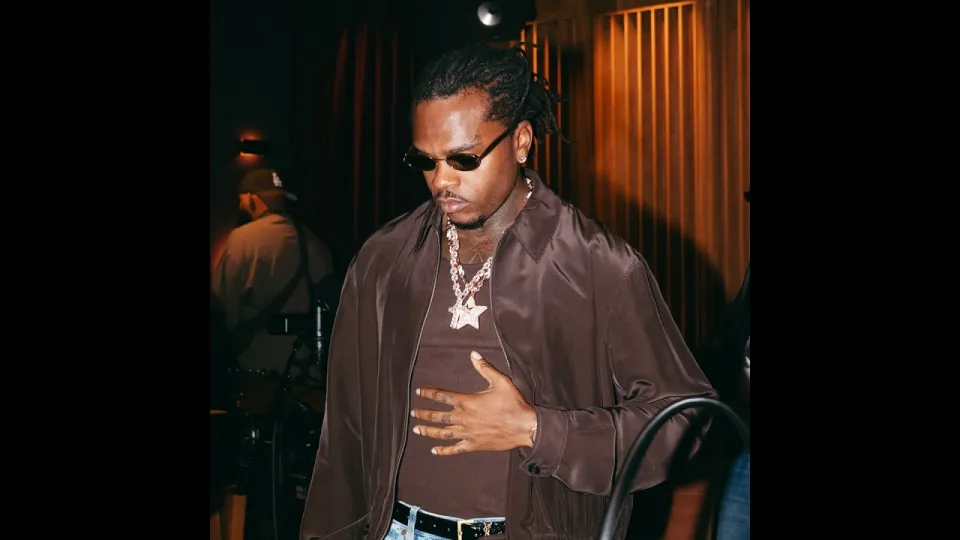
Video: [FREE] Gunna Type Beat - "Professional"
You can order the same kind of articles for your own video to boost it on YouTube and Google. Just message the Telegram bot @sat_sit_bot. It writes articles around your video, embeds the video and publishes them on popular niche websites (no ads). Try it free: 50 articles on us.
· based on the channel MIG
Key takeaways
- MIG's "Professional" Gunna type beat runs at 122 BPM in the key of F# minor.
- The free download is licensed for non-profit use only and cannot be uploaded to Spotify or Apple Music.
- An untagged license is sold through the BeatStars link, and adding three beats to the cart activates a discount.
- The arrangement leans on dark guitar and orchestral melody layers, sliding 808s and busy hi-hat rolls.
- The style targets the Gunna and Young Thug lane, including the One of Wun and The Last Wun era sound.
A Gunna type beat is a trap instrumental built for the Atlanta melodic-rap lane: slow-to-mid tempo, dark guitar or orchestral melody, heavy sliding 808s and hi-hat patterns that leave room for a laid-back, triplet-heavy flow. MIG's "Professional" shows the formula in practice at 122 BPM in F# minor, and the untagged license is available through the BeatStars purchase page, where adding three beats to the cart activates a discount.
What defines a Gunna type beat in 2026
The first thing to understand is that the label describes a vocal pocket, not a fixed drum kit. Gunna's records sit in a narrow tempo band, usually between roughly 115 and 130 BPM, and the beat has to leave a wide mid-range gap so the rapper's melodic runs and ad-libs do not collide with the melody. Producers call this leaving headroom for the artist, and it is the main reason a beat that sounds empty solo can sound full once vocals land.
Four elements carry the style:
- A melodic loop with an emotional tilt, most often nylon or clean electric guitar, sometimes strings or a choir pad.
- 808 bass that glides between notes rather than punching on every kick.
- Drums that are crisp and forward in the high end, with hi-hat rolls doing most of the rhythmic decoration.
- A sparse arrangement that changes every eight bars but never crowds the vocal.
The comment section under MIG's upload picks out exactly these traits: the darkness of the melody, the crispness of the drums and the sliding 808s get called out first, and one listener describes the overall feel as orchestral trap. That is a useful checklist for anyone trying to reverse-engineer the sound.
How to build the beat step by step
Start with tempo and key before touching a single sound. Set your project to 122 BPM and F# minor, the same settings MIG uses on "Professional", so any reference loop you audition sits in the same harmonic space as the finished track.
- Write the melody first. A four- or eight-bar guitar or string phrase in F# minor, played with slight timing looseness, sets the mood. Keep the register between roughly the third and fifth octave so it does not fight the vocal.
- Add a counter layer. A soft pad, choir or second guitar an octave up fills the stereo field without adding density in the center.
- Program the drums. A kick on the downbeat and a snare or clap on the third beat give the standard trap skeleton; the character comes from the hats, which should include 16th-note runs, occasional 32nd-note rolls and short gaps that let the vocal breathe.
- Place the 808. Match the root note of the melody, then use glide or portamento to slide between notes on the transitions. Long, sustained slides are what listeners hear as the signature Gunna bass movement.
- Arrange in eight-bar blocks. Drop the drums for the intro, bring everything in for the hook, strip the melody for the verse and add one new element, such as a bell or a filtered guitar, in the second half.
- Mix for the vocal. Carve a couple of decibels out of the melody around 1–3 kHz, keep the 808 mono below about 120 Hz and make sure the hats sit bright but not harsh.
Common questions producers ask about the style
Most doubts around this genre come from the same handful of issues, and they show up in the comments under almost every upload. Listeners ask whether a given beat is hard enough for a street record or smooth enough for a radio hook, and the answer is usually arrangement rather than sound design: the same guitar loop can read as a street anthem with harder drums and as a smooth single with softer ones.
Another recurring question is about the hi-hats. Rolls that sound impressive solo often bury a vocal, so the practical rule is to automate the hat pattern down a few decibels during verses and let it open up in gaps. The same applies to the 808 slides: a slide on every bar transition becomes predictable, so vary the length and reserve the longest glide for the end of a four-bar phrase.
A third theme is originality. Producers worry that a type beat will sound like a copy, but the lane is defined by texture and tempo, not by specific chord progressions. Changing the instrument source, for example swapping a sampled guitar for a synthesized one or adding a string ostinato, moves the beat out of imitation and into your own catalog.
Licensing and how to use the free download
MIG releases "Professional" as a free beat for non-profit purposes only. That means you can write to it, record demos and upload to YouTube or SoundCloud for promotional use, but you cannot distribute it through streaming services such as Spotify or Apple Music, and you cannot monetize a release built on the free tag.
For anything commercial, the untagged version is sold through the BeatStars link, and the store runs a bundle rule: adding three beats to the cart activates a discount. Before you release, confirm three things in writing: whether the license covers streaming, how many distribution copies are allowed and whether the producer keeps a percentage of publishing. Keep the receipt and the license PDF alongside your session files.
Typical doubts from listeners and rappers
Comments on the upload show what artists actually notice. Several listeners focus on the hi-hat rolls and the flow they imagine over the beat, which confirms that the rhythmic pocket is the first thing a rapper evaluates. Others describe the track as spin music or a street anthem, which reflects the tempo and the minor-key darkness more than any single sound.
A frequent practical doubt is whether a beat this melodic leaves room for singing. It does, provided the melody sits in the upper register and the mid-range stays clear; that is why so many Gunna-style records use guitar rather than dense synth stacks. Another common concern is whether a free beat can be used for a mixtape, and the answer depends entirely on the license terms, so read them before you press upload.
Reference settings from MIG's "Professional"
Having a fixed reference makes the workflow faster. MIG's beat gives you a concrete target: 122 BPM, F# minor, a dark guitar-led melody with an orchestral feel, crisp drums and prominent 808 slides. Use those values as a starting template, then change at least two elements, such as the key and the lead instrument, so the result is your own record rather than a clone.
The producer's handle is @prod_mig and the contact address for licensing questions is migbeats.prod@gmail.com, which is worth noting if you need a custom beat or an extended lease.
Conclusion
A convincing Gunna type beat comes down to restraint: a dark, memorable melody, 808s that slide instead of stomp, hats that decorate without smothering the vocal and an arrangement that changes every eight bars. MIG's "Professional" packages those choices at 122 BPM in F# minor and shows how far a simple guitar loop can go when the low end and drums are handled properly. If you want the clean, untagged file for a release, buy the beat on BeatStars and remember that three items in the cart unlock the discount. Credit the producer, keep your license documents and build your own catalog one reference track at a time.
Source: [FREE] Gunna Type Beat - "Professional" · Markdown version
Questions & answers
Can I put a free Gunna type beat on Spotify or Apple Music?
Not with the free license. MIG's download is cleared for non-profit use only, which covers demos and promotional uploads, while distribution to streaming platforms requires the purchased untagged license.
What tempo and key should a Gunna type beat use?
There is no single rule, but the style usually sits between about 115 and 130 BPM in a minor key. "Professional" uses 122 BPM in F# minor, which is a solid starting reference for the melodic trap pocket.
Why do my hi-hat rolls sound messy over vocals?
Dense rolls occupy the same frequency range as consonants and ad-libs. Automate the hat bus down a few decibels during verses, keep the 32nd-note runs short and leave small gaps so the vocal has space.
How do I make an 808 slide sound natural?
Match the 808 to the root of the melody, use portamento or glide on the note changes and vary the slide length instead of sliding on every bar. Long glides work best at the end of a four-bar phrase.